
The Rise of PPC Automation: Smarter Ads for Higher ROI
Introduction
Pay-per-click advertising has always been a fast, results-driven way for businesses to reach their audience. In 2025, PPC automation powered by AI is redefining how campaigns are managed—making ad delivery smarter, faster, and more profitable.
Automation helps businesses maximize ad spend, reach the right audience, and generate higher ROI without manual guesswork.
What is PPC Automation?
PPC automation refers to the use of AI-powered tools and machine learning algorithms to handle repetitive tasks like bidding, audience targeting, and performance tracking. Instead of relying solely on manual management, advertisers can now let platforms like Google Ads, Meta Ads, and Microsoft Ads make data-driven decisions in real time.
Key Benefits of PPC Automation:
- Saves time by eliminating repetitive tasks.
- Optimizes campaigns continuously for maximum performance.
- Reduces human error and guesswork.
Improves ROI with smarter targeting.
Smart Bidding: AI Taking Control
Smart bidding is one of the most impactful PPC automation features. Platforms like Google Ads use machine learning to automatically adjust bids for each auction based on user intent, device, location, and even time of day.
Types of Smart Bidding Strategies:
- Target CPA (Cost Per Acquisition): Optimizes bids to get conversions at your desired cost.
- Target ROAS (Return on Ad Spend): Focuses on maximizing revenue over costs.
- Maximize Conversions: Aims to generate as many conversions as possible within budget.
- Enhanced CPC: Adjusts manual bids automatically to improve conversion potential.
Pro Tip: Smart bidding works best when you feed it enough conversion data. The more data it has, the more accurately it can optimize.
Automated Audience Targeting
In the past, advertisers had to spend hours segmenting audiences. Now, AI systems can automatically identify and target the most relevant audiences for your campaigns.
How AI Enhances Audience Targeting:
- Lookalike Audiences: Platforms build new audiences that resemble your existing customers.
- In-Market Segments: AI identifies people actively searching for your product or service.
- Predictive Targeting: Algorithms forecast which users are most likely to convert.
Example: If you run an e-commerce store, AI can automatically show ads to people who abandoned carts and are most likely to complete the purchase.
Dynamic Search Ads (DSA)
Dynamic Search Ads take automation a step further by generating headlines and landing page URLs automatically. Instead of creating dozens of ad variations manually, AI scans your website and matches search queries to the most relevant pages.
Advantages of DSAs:
- Saves time by auto-generating ads.
- Increases ad coverage for long-tail keywords.
- Ensures users are directed to the most relevant landing page.
Pro Tip: Combine DSAs with negative keywords to avoid irrelevant clicks.
Responsive Search Ads (RSA)
Responsive Search Ads allow advertisers to provide multiple headlines and descriptions. AI then tests different combinations and shows the best-performing versions.
Why RSAs Matter:
- Improves CTR (click-through rate).
- Adapts messaging to different search intents.
- Reduces manual A/B testing.
Example: If you’re a digital marketing agency, one ad headline could say “Best SEO Agency in India” while another says “Affordable PPC Services.” AI tests both and prioritizes the one that performs better.
Automated Reporting and Insights
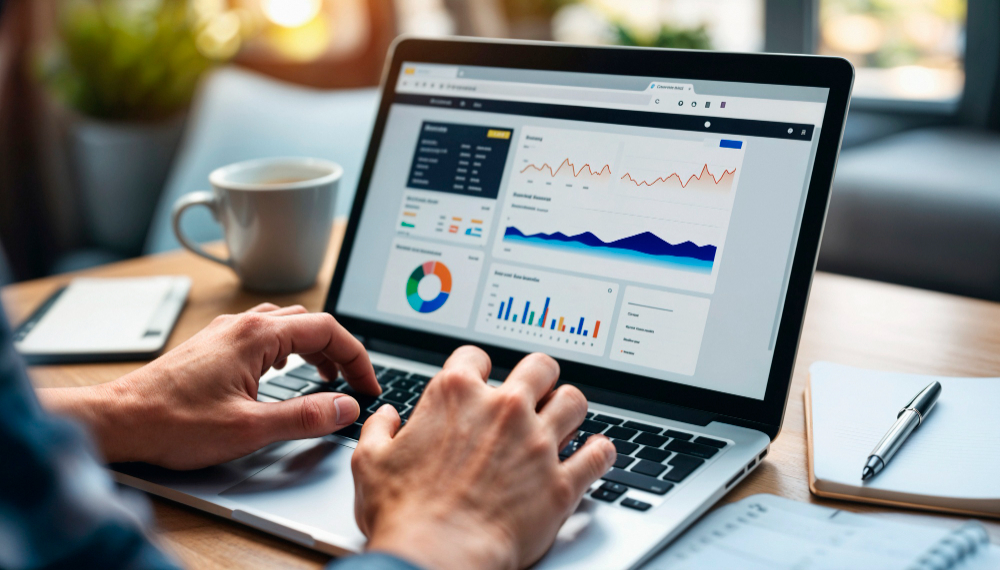
Analyzing PPC campaigns used to take hours of manual reporting. Now, AI tools provide real-time dashboards with actionable insights.
What Automated Reporting Offers:
- Performance forecasts (predicting next month’s conversions).
- Alerts for underperforming ads.
- Budget reallocation suggestions.
Pro Tip: Use Google’s Performance Max Campaigns for consolidated reports across YouTube, Display, Search, and Shopping ads.
AI in Creative Optimization
Automation isn’t just about numbers—it’s also about creative elements. AI tools now optimize ad copy, visuals, and even video ads.
Examples of Creative AI Tools:
- Copy AI / Jasper: Generate ad headlines and descriptions.
- Canva AI: Create ad creatives instantly.
- Vidyo AI: Turn long-form videos into short ad clips.
Why it matters: Creative automation saves time while ensuring that ads remain fresh, engaging, and tailored to different audience segments.
Challenges of PPC Automation
While automation is powerful, it’s not perfect. Businesses must balance automation with human oversight.
Common Challenges:
- Over-reliance on AI: Algorithms can misinterpret goals without proper setup.
- Data Dependency: AI needs sufficient historical data to optimize effectively.
- Lack of Creativity: Machines can optimize, but humans must still bring brand storytelling.
Pro Tip: Automation works best when combined with human strategy—let AI handle the “how,” while humans define the “why.”
The Future of PPC Automation
As we look ahead, PPC automation will become even more sophisticated.
Upcoming Trends:
- Hyper-Personalized Ads: AI will create unique ad variations for each user.
- Cross-Platform Integration: Unified campaigns across search, social, and display.
- Voice & Visual Search Ads: AI-powered ads will adapt to voice and image queries.
Businesses that embrace these innovations early will enjoy a competitive edge.
Conclusion
PPC automation 2025 is transforming digital advertising. From smart bidding to dynamic ads, AI enables businesses to maximize ROI while saving time and effort.
The key to success: combine automation with human creativity. Businesses that use AI for efficiency and humans for strategy and storytelling will dominate PPC campaigns in 2025 and beyond.